


Transforming stadiums and arenas into next-generation experiences

As expectations for sports and live entertainment accelerate, so too do the demands placed on stadiums. For Andrea Patry, our Principal Senior Design Lead, the next generation of sports architecture will be defined not by scale, but by connectivity, personalization and community impact. In this blog post, Andrea reflects on how fan behavior is shifting, what it means for operators, and how design can future proof these multi-generational destinations.
Stadiums and venues are more than just structures — they are cultural landmarks that bring communities together, inspire loyalty and create lasting memories. As we look to the future, the challenge lies in redefining these spaces to meet evolving expectations while embedding sustainability, technology and inclusivity into every aspect of their design and operation.
Key challenges in reimagining the fan experience
The fan experience is no longer a one-size-fits-all journey. Fans today demand personalization, seamless engagement and opportunities to co-create their experience. At the same time, venues must address broader societal goals, such as reducing embodied carbon, integrating sustainable technologies and fostering community connections.
Our approach focuses on crafting spaces that balance economic output with emotional resonance. Whether designing new stadiums or renovating existing ones, the goal is to create venues that reflect the identity of the city, its people and its culture, hence making them irreplaceable.
Venues must address broader societal goals, such as reducing embodied carbon, integrating sustainable technologies and fostering community connections.
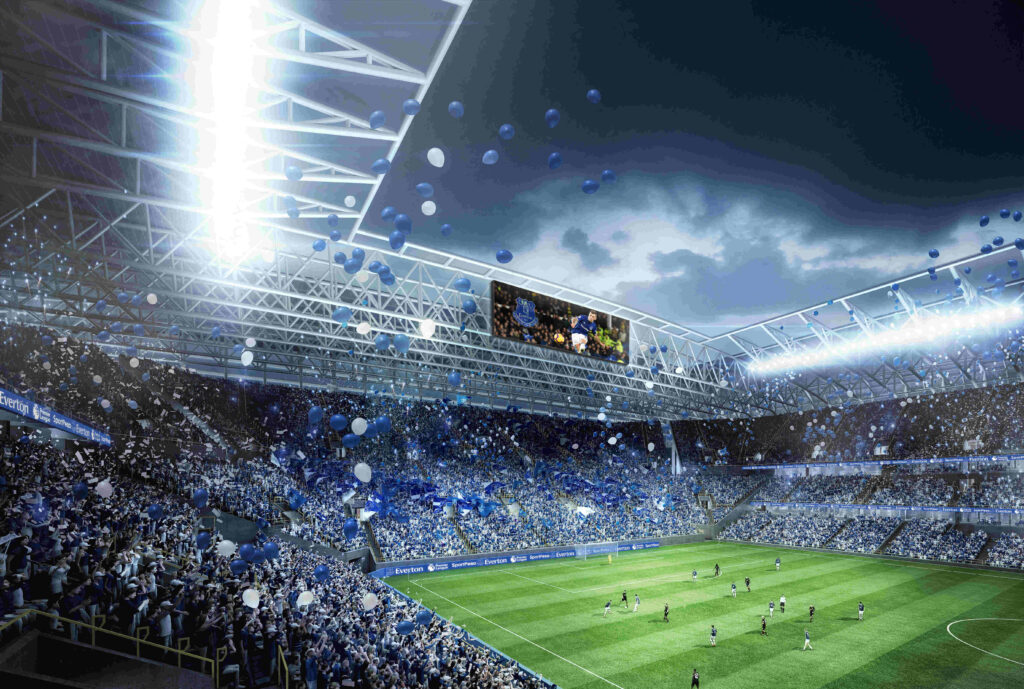
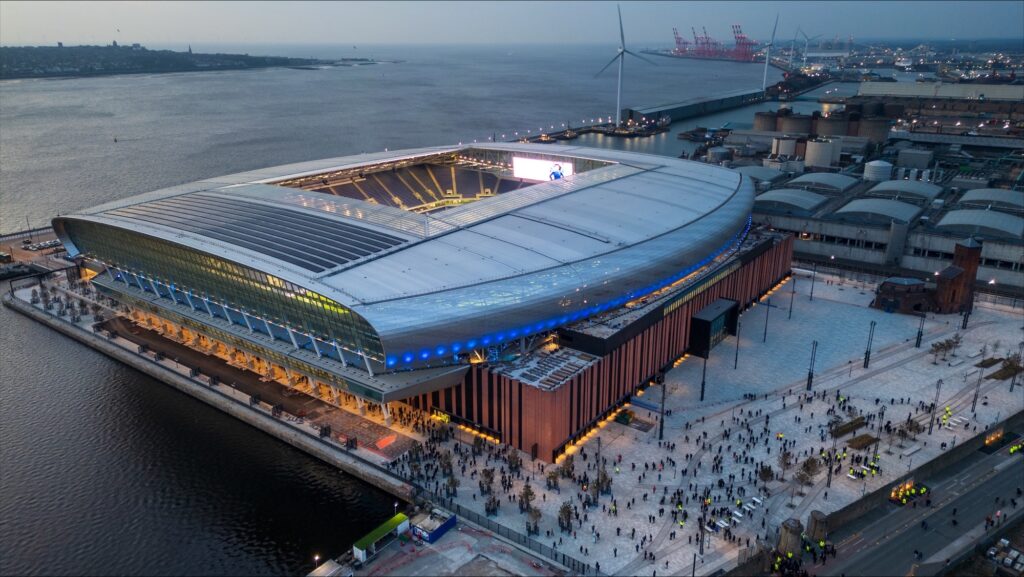
Elevating fan journeys through innovation
To reimagine and elevate the fan experience, we prioritize innovation across the entire lifecycle of venue design and operation, focusing on 3 key areas:
1. Personalization and inclusivity:
- Every fan should feel seen and valued. By mapping diverse fan journeys, we create opportunities for engagement and re-engagement, ensuring that each touchpoint resonates with the individual.
- From immersive screens to strategic hospitality moments, technology amplifies the experience without overshadowing the venue’s unique character.
2. Seamless integration of technology:
- Digital tools act as amplifiers, enhancing the physical experience rather than replacing it. Smart controls, immersive displays and interactive touchpoints are strategically integrated to elevate the fan journey.
- Future proofing venues means building for long-term adaptability while planning for rapid change at 5-, 10-, and 15-year intervals — reflecting how dramatically fan expectations have already shifted in the past five years.
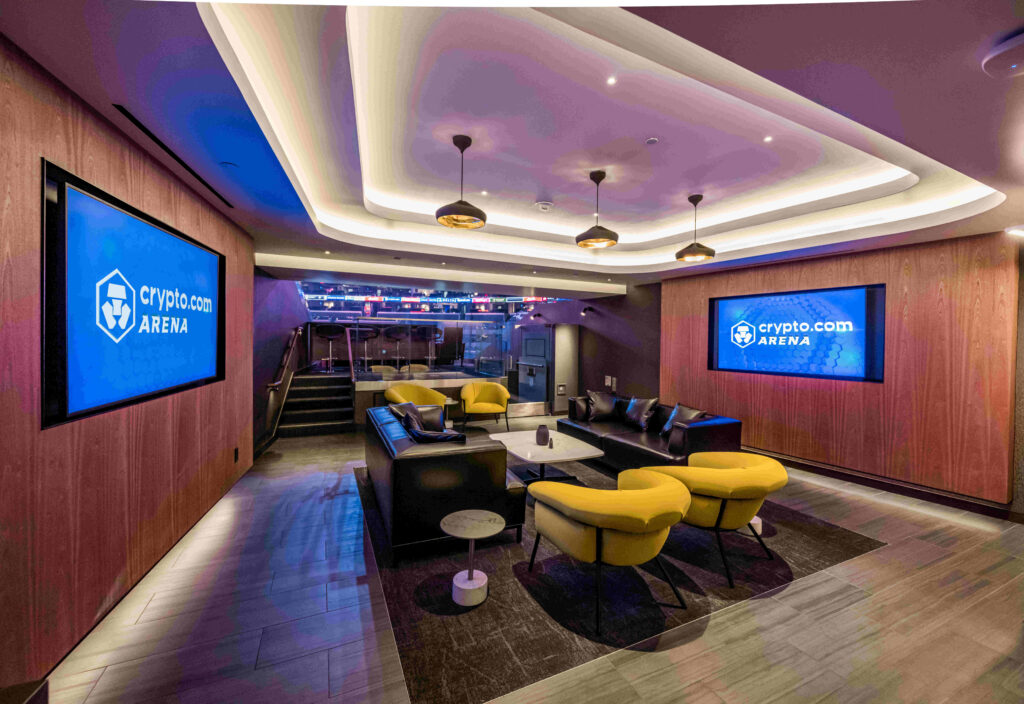

3. Sustainability and circularity:
- By embedding sustainability into every stage —from design to operations — we ensure venues remain resilient and impactful for generations to come.
Sustainability is also about future proofing. That means creating adaptable spaces and digital systems that evolve with the club and the fans. The most sustainable venues are active 365 days a year — hosting events, hospitality, community programming and content creation.
A sustainable stadium isn’t just energy efficient; it’s revenue efficient. And whether it’s a renovation or new build, the goal is a venue that stays relevant, flexible and connected.
Rethinking renovation for cohesion
Whether designing a new stadium or renovating an existing one, it’s important to create cohesion across the fan experience and tell a connected story. Every visit should offer opportunities for re-engagement, so fans feel like they are experiencing something new each time.
Every touchpoint along the fan journey should feel intentional, part of a seamless, holistic experience that increases dwell time, loyalty and ultimately drives revenue. The next generation of stadiums should not be defined by capacity, but by connectivity and by the ability to create moments that excite fans, elevate technology, and let them feel like co-creators in the experience.
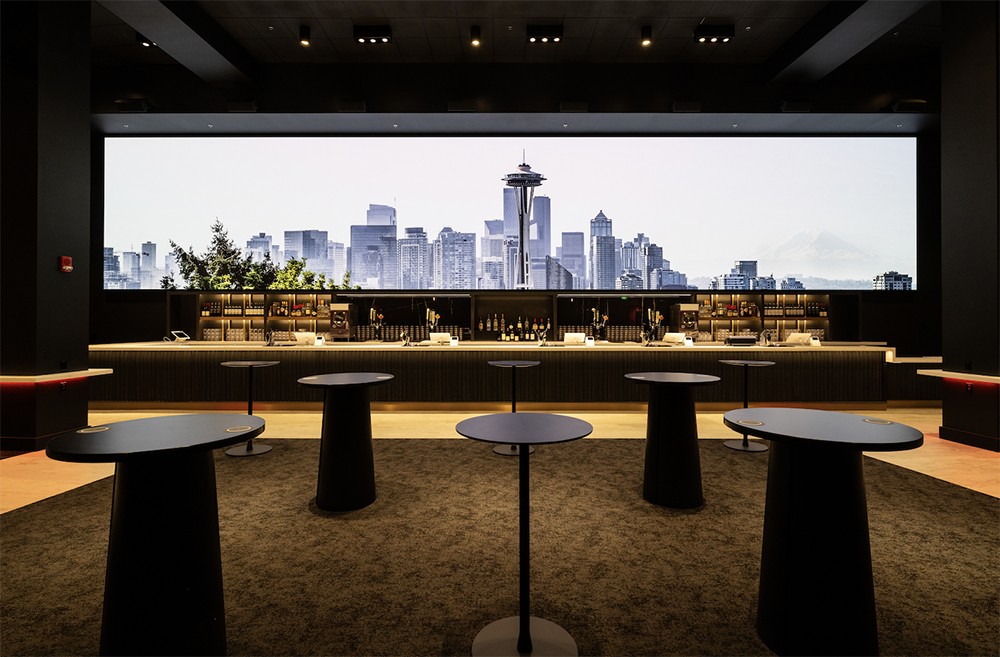
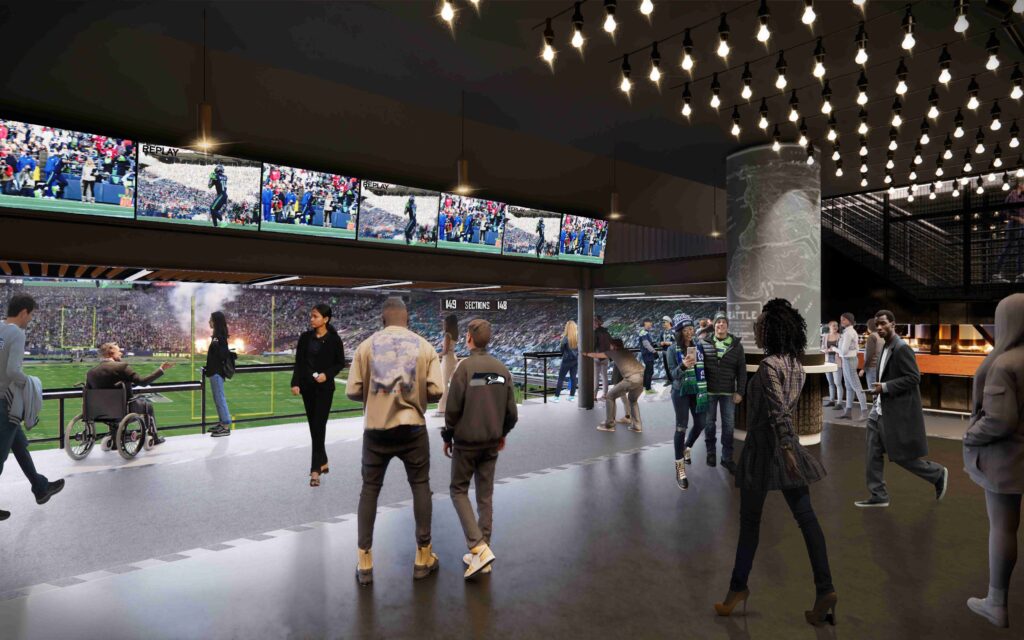
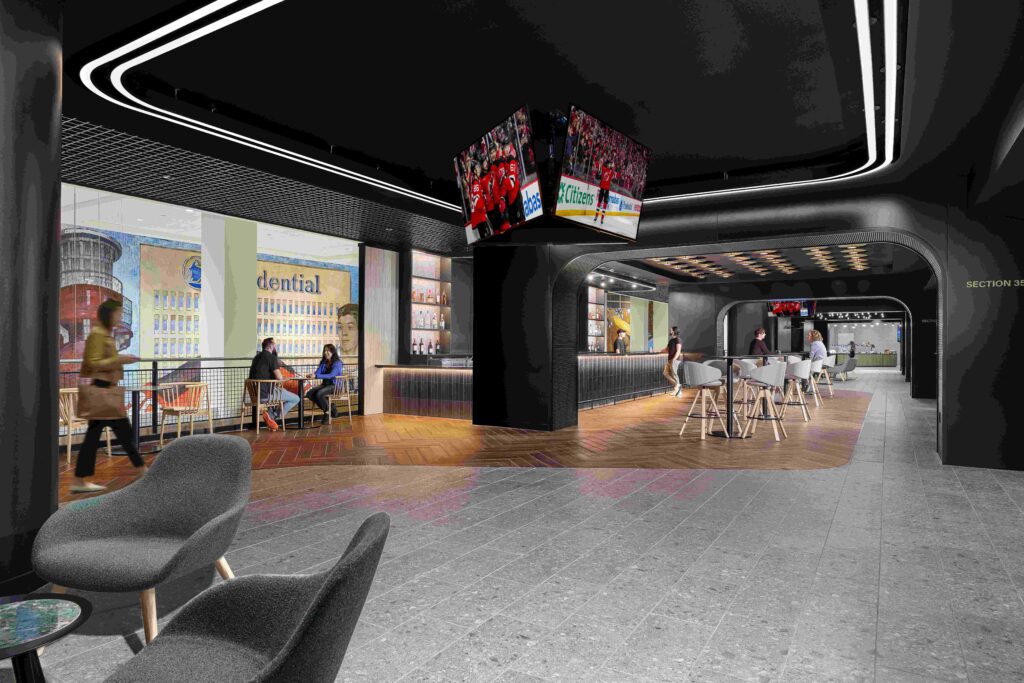
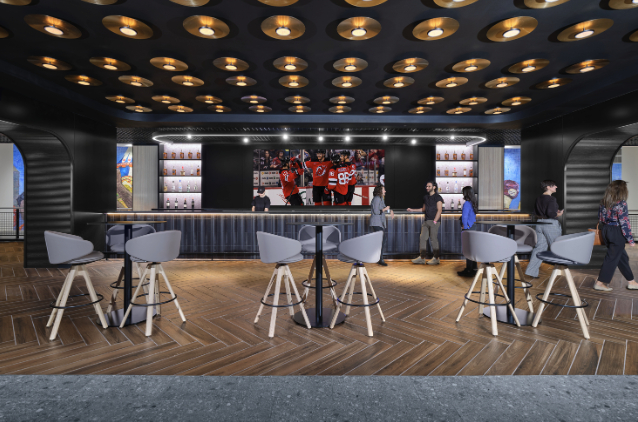
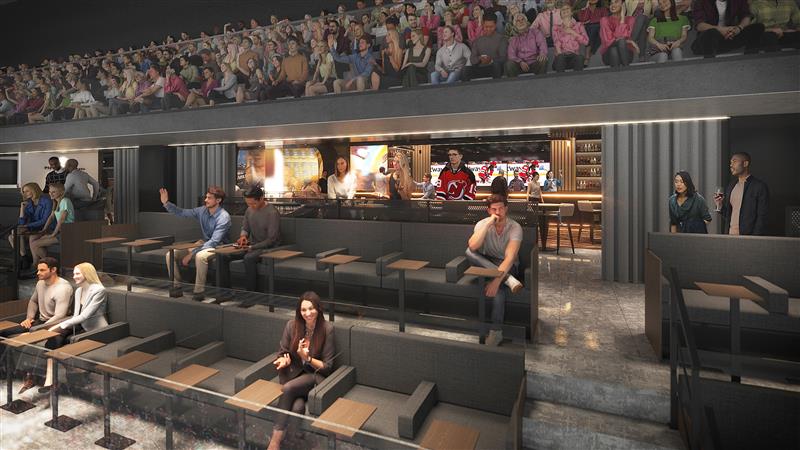
Renovations can also be smart, sustainable moves, offering lower embodied carbon and potentially higher return on investment (ROI), but in all cases, the goal remains the same: to connect the economic output with the emotional output, building loyalty that sustains both fans and the project.
Every touchpoint along the fan journey should feel intentional, part of a seamless, holistic experience that increases dwell time, loyalty and ultimately drives revenue.
Connectivity builds community The future of stadium design lies in creating spaces that are both functional and unforgettable. By thoughtfully integrating design, technology and sustainability, venues can evolve alongside changing expectations, offering fans moments that resonate, inspire loyalty and invite repeated engagement. The most successful stadiums will be those that balance economic performance with emotional impact, creating spaces that reflect the culture of their communities while remaining adaptable for decades to come.
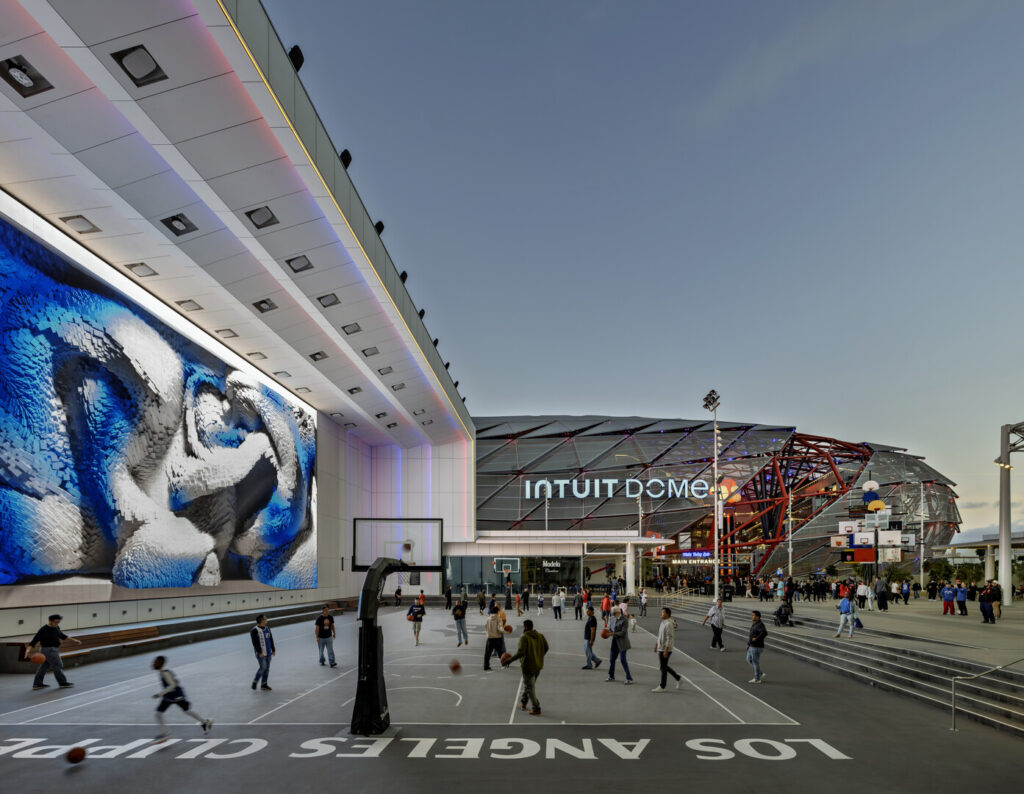
The most successful stadiums will be those that balance economic performance with emotional impact, creating spaces that reflect the culture of their communities while remaining adaptable for decades to come.
Connect with Andrea to learn more about our global Sports team.