


People Spotlight: Meet Natalie Brodie
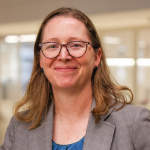
Our People Spotlight series gives you an inside look at our technical experts around the world. This week, we feature our Cultural Resources Lead for our California team in the United States.
For Natalie Brodie, archaeology has always been her path. What began as an early passion, evolved into a leadership role guiding cultural resources efforts across California. Her work is driven by a deep respect for the state’s heritage and a commitment to helping communities progress responsibly.
Tell us a bit about yourself — your role and career journey.
I joined AECOM in 2020, bringing more than 24 years of consulting experience. Today, I serve as the Cultural Resources Lead for California, overseeing teams across both Northern and Southern California. Stepping into this leadership role has been especially rewarding, offering the chance to support others as they grow, succeed and shape meaningful careers.
My path to archaeology began early. I knew I wanted to be an archaeologist by the time I was 12, even if I didn’t yet know how to turn that passion into a profession. I started my undergraduate studies at University of California (UC) Santa Cruz as a biology major, but once I transitioned into applied anthropology and archaeology and transferred to UC San Diego (UCSD), everything fell into place.
A field school in San Diego County, sponsored by a local consulting firm and UCSD, provided hands‑on experience in excavation and data collection and led directly to my first job in the field. After spending about a decade as a field archaeologist, I earned my graduate degree in applied anthropology from San Diego State University, which supported my transition into project management and leadership roles. Discovering my place in this profession and growing into a role where I can lead and support teams statewide has been an exciting journey.
What motivates me is seeing talented teams come together to do meaningful work. Supporting that kind of shared success, and the impact it creates, is what keeps me excited about my work every day.
Tell us a story of how your work positively impacted the community.
One of the most impactful projects I’ve worked on was providing cultural resources compliance support following the debris removal efforts after the Los Angeles wildfires. I served as the Principal Investigator on the project. Our team was working seven days a week, coordinating archaeologists, architectural historians and construction crews as debris was removed from more than 12,000 home sites.
There were areas, particularly in the Palisades, with very high archaeological sensitivity due to thousands of years of human occupation. We documented previously recorded sites, gathered photographs and detailed notes, and collected as much information as we could under challenging conditions. While I didn’t meet most of the individual homeowners, knowing our work helped people take the next step in recovery was incredibly meaningful.
We were able to support our neighbors and actually be a part of the recovery effort. Through our work, we were helping communities start to move forward after loss.
How does California’s unique culture and character influence your approach to your work?
California is a truly special place, environmentally, culturally and historically. The state’s rigorous regulations, particularly under CEQA (California Environmental Quality Act), reflect a shared commitment to recognizing and protecting what makes these resources meaningful.
A large part of my role is education, helping clients understand which cultural resources are important and how we can protect them while still achieving project goals. That starts with understanding our clients’ priorities and the communities they serve, then working together to find solutions.
My job is to work alongside our clients, recognizing that we share the same goal: protecting important resources while enabling progress that benefits communities.
Sometimes that means design adjustments to minimize impacts. Other times, it means acknowledging when a significant resource requires a pause and a different approach. Either way, the goal is thoughtful, responsible progress.
Talk to us about a project that has been a highlight of your career.
One project that really stands out for me was an excavation in southern San Diego County near the border with Mexico at a known archaeological site. What made this project special was that it gave our team the chance to add something entirely new to the archaeological record, which doesn’t happen every day.
As part of additional surveys required by the county, we conducted protein residue analysis and uncovered evidence of freshwater fish, specifically trout, in an area that today is dry, rugged and not at all what you’d expect. There’s very little evidence of freshwater fish in San Diego County’s archaeological record, so this discovery helped fill in a missing piece of how people lived, what they ate, and how they adapted to their environment thousands of years ago.
Finding something that genuinely expands what we know about a region is incredibly exciting. It’s one of those moments where you realize cultural resources work isn’t just about compliance, it’s about discovery.
At the same time, I’m equally proud of the everyday infrastructure work we do for major clients like Caltrans, where cultural resources play a critical role in shaping projects that support the future. Initiatives like roadway improvements, wildlife corridors and broadband installation may seem routine, but they are essential to community progress. One example is the statewide Middle Mile Broadband Project with Caltrans, which is bringing high‑speed internet access to rural roadways and communities across California.
By expanding connectivity in underserved areas, the Middle Mile Broadband Project helps create opportunity and positions communities for long‑term growth, resilience and better access to essential services. Our team supports this effort by working closely with designers to avoid impacts to cultural resources while keeping these critical projects moving forward.
One project I’m especially proud of is the statewide Middle Mile Broadband Project with Caltrans, which is bringing high‑speed internet access to rural communities across California and expanding essential services to underserved areas.
Share a piece of career advice.
One of the most important lessons I’ve learned is the value of being your own advocate. Early in my career, I waited for others to notice my skills and accomplishments. I eventually realized how much more effective it is to speak up, highlight your work, and advocate not only for yourself, but for your team.
Today, I make a point to advocate for the people I work with and ensure their contributions are visible. As a leader, I’m always looking for someone who could one day take my job.
Seeing others grow in confidence and move forward in their careers is incredibly fulfilling. It builds stronger teams, makes my job easier, and creates an environment where people feel supported and empowered.