


Changing the Game: Meet Andrew Kelly
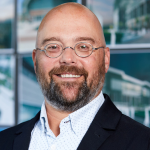
With over 20 years of experience focused exclusively on public assembly venues and athletic training facilities in the collegiate market, Andrew Kelly leads AECOM’s reimagined collegiate sports practice, focused on delivering the next generation of elite sports environments. Andrew’s hands-on leadership focuses on mentorship, collaborative design and strategic client engagement. With a portfolio spanning storied programs in the ACC, Big 10, Big 12, SEC conferences and beyond, his projects are known for balancing aesthetics, functionality and budget.
Tell us about your journey. What drew you to a career in architecture and design, specifically in collegiate sports facilities?
Born and raised in Kansas City, I grew up surrounded by sports. I attended the University of Kansas and during my time there was introduced to sports architecture and the niche sports market in Kansas City. After graduation, I went on to work for HNTB for 13 years and 7 years at DLR Group. I joined AECOM in 2024 as Director of Collegiate Sports, dedicated to driving innovation and excellence in the design and renovation of stadiums, arenas and training facilities across the nation. I’ve led projects in the collegiate space with AECOM at universities such as the University of Central Florida, Tulane University and East Texas A&M.
You’ve spent over 20 years focusing on public assembly venues and athletic training facilities. What’s kept you passionate about this space?
I’ve worked on basketball arenas, football stadiums and training facilities across the nation that are all unique in their own way. Though the programs can be similar, it comes down to how you handle them, how you site the building and how people end up using the building. I grew up loving sports, so being able to turn on college basketball and see the legendary arenas that I’ve worked on is a rewarding feeling that keeps me going.
As Director of Collegiate Sports, how do you define “next-generation” sports environments?
We’re witnessing a more revenue-focused generation than we’ve seen in the past. For us, it’s all about creating environments that everybody wants to be in as opposed to staying at home and watching games on TV. The other factor that we’re seeing is more integration with technology. Venues are now utilizing apps to order concessions and interact with the space. The integration of technology and improving the fan experience will only continue to evolve.
Your leadership style emphasizes mentorship and collaboration. How do you cultivate that culture within your teams?
Honesty, openness and willingness to communicate with the team — particularly the reasons why we do something, not just what we’re doing. I’m always trying to cultivate people to think critically, be engaged and ask the question “why.”
You’ve worked with some of the most iconic collegiate programs. Are there any standout projects or moments that have stayed with you?
My first project out of school was at the University of Michigan’s football stadium, “The Big House.” I’ve stayed in touch with the client for nearly 20 years and can tangibly see the success of the project watching Michigan home games. It really showed me that this industry is about much more than the project, it’s the relationship with people around the project you’ve built. Additionally, my work at Duke University’s Cameron Indoor Stadium remains a career highlight, as being part of such an iconic and historic arena left a lasting impression on me.
What major trends are shaping the future of collegiate sports facilities right now?
It’s crucial to embrace the local environment where the facility is being built. We’re beginning to witness the importance of real engagement of the region or city where the university is and showcasing pride in it. This can occur through things like having local vendors or theming aspects of the facility around something specific to that city. Sports anchored lifestyle and entertainment districts are being developed all over the country and they are very exciting to think about the integration of sports and lifestyle.
You’re currently leading several collegiate pursuits involving stadiums, arenas and training centers. What excites you the most about being a part of these world-class projects?
When it comes to a competitive venue, you’re engaging in the way that the fans, alumni, donors and staff experience sporting events. It’s special to be able to say that you played a part in influencing new traditions or the way that people experience a game. We see opportunities on the horizon with some of the largest and most respected universities in the country that directly align with AECOM as a firm.
What advice would you give to young architects or designers who want to enter the sports facility space?
There are so many more variables to consider when entering the sports architecture field as opposed to designing commercial spaces. You have to be able to collaborate with a large team and articulate the things that you’re interested in early on in your career. Be curious about why design is done in certain ways. In my opinion, sports design is the peak of what we do because it impacts so many people.