


People Spotlight: Meet Mario Turgeon

Our People Spotlight series gives you an inside look at our technical experts around the world. This week, we are highlighting a hydraulic turbine-generator specialist from our water business line in Canada and providing you insight into their inspiration and work.
Mario Turgeon is a mechanical engineer specializing in hydraulic turbines and generators. With more than 32 years of experience — including over 18 at AECOM — he has contributed to a wide range of hydropower projects, including new developments and rehabilitation programs. His experience spans multiple turbine types and configurations, from small to large‑scale hydroelectric and pumped‑storage facilities, across projects in Canada, the United States, South America and Africa.
Tell us about what inspired you to join the industry.
My first meaningful exposure to the hydropower industry came during a summer job after my first year at university. I worked as a tour guide at the Shawinigan 2 generating station, which was built in the early 20th century. At the time, it was the largest hydroelectric site in Quebec, earning it the nickname “Niagara of the East”. This summer job was a dream opportunity. It not only satisfied my curiosity about how turbine-generator units convert the potential energy of water into electricity but also sparked a lasting interest in the rich history of hydropower.
Early in my career, I had the opportunity to join GE Hydro, one of the leading hydraulic turbine manufacturers, marking the beginning of what has become a lifelong career in hydropower. After working as a turbine design engineer and later as the turbine department technical lead, I joined RSW, an AECOM legacy company. This move allowed me to remain in the hydropower sector while gaining exposure to a broader range of project activities, developing a more holistic project perspective and collaborating more closely with clients and multidisciplinary teams.
One thing I quickly realized is that every hydropower project is unique, not only shaped by its river hydrology and site conditions but also by the people involved. This is what makes the field so engaging: no matter how experienced you are, there is always something new to learn.
One thing I quickly realized is that every hydropower project is unique, not only shaped by its river hydrology and site conditions but also by the people involved. This is what makes the field so engaging: no matter how experienced you are, there is always something new to learn.
What is your favorite AECOM project that you’ve worked on and why?
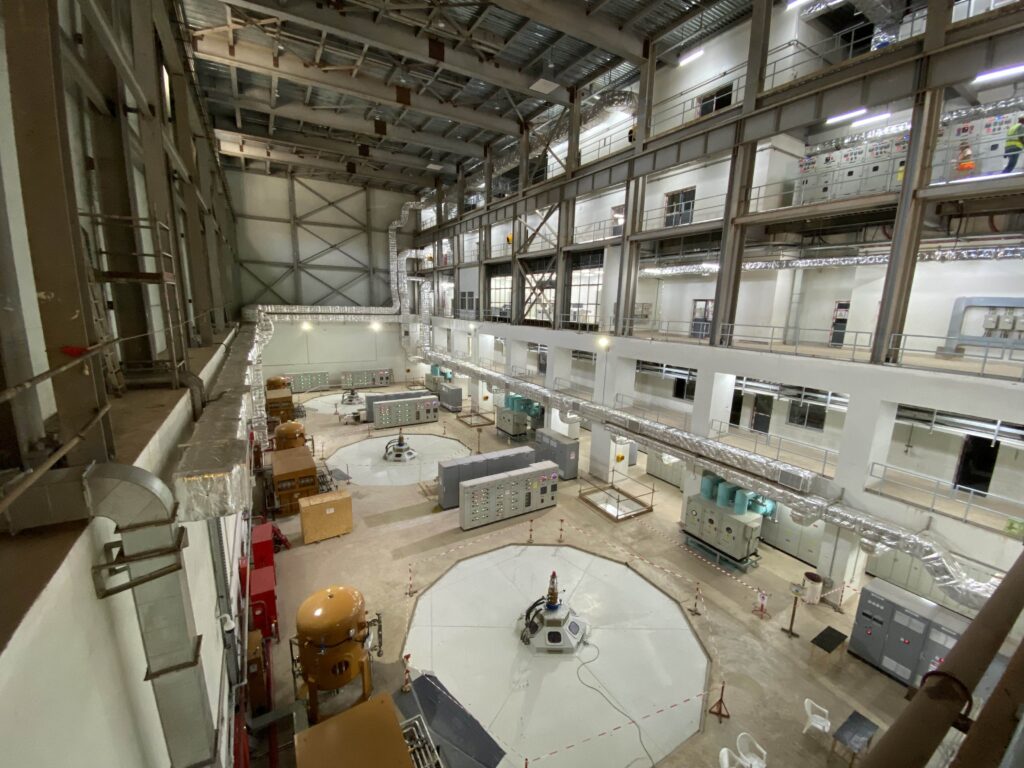
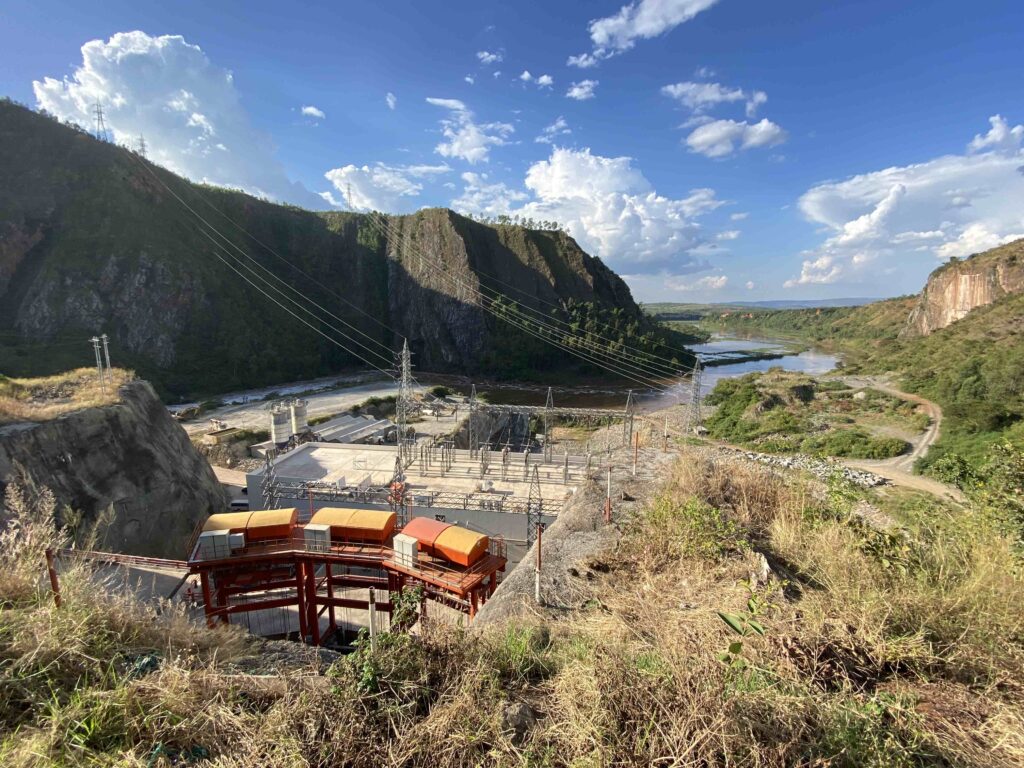
One of my favourite projects I’ve worked on at AECOM is the Rusumo Hydropower Project, an 80-megawatt power station jointly owned by Rwanda, Tanzania and Burundi. I became involved in the project in 2014, beginning with the preparation of the design report and bidding documents. Over the following years, I contributed to all major phases of the project, including bid evaluation, turbine model testing, design reviews, follow-up on manufacturing, installation and ultimately unit commissioning. Being involved from early concept through commissioning made this a uniquely rewarding experience.
The project also has strong personal significance for me. While studying mechanical engineering, I first came to Rwanda in the early 1990s as an intern, teaching computer science at the National University of Rwanda. During that time, frequent power outages were a constant challenge. I never would have imagined that more than 20 years later, I would play a direct role in developing a project that strengthens Rwanda’s electricity supply and supports regional development. That full‑circle connection makes the Rusumo project especially meaningful to me.
I never would have imagined that more than 20 years later, I would play a direct role in developing a project that strengthens Rwanda’s electricity supply and supports regional development.
Tell us a story of how your work positively impacted the community.
We recently completed the Jiji–Mulembwe Hydropower Project in Burundi. The project consists of two run‑of‑river hydropower plants, inaugurated in 2025, with a combined installed capacity of 49.5 megawatts. This single project increased Burundi’s national electricity capacity by approximately 25 percent, significantly reducing the country’s reliance on imported fossil fuels for power generation. The two plants play a critical role in improving grid reliability by delivering clean, renewable energy to communities, businesses and essential services. I was proud to participate in a project that directly supports Burundi’s energy security and long‑term development.
One of the aspects I valued most was collaborating with professionals from diverse cultural and technical backgrounds, all working toward the shared goal of delivering a key piece of infrastructure with lasting benefits for the population.
The two plants play a critical role in improving grid reliability by delivering clean, renewable energy to communities, businesses and essential services.
Share a piece of career advice. No hydropower project can be delivered by one person alone. Success depends on people with different skills working together toward a shared goal. Throughout my career, I’ve learned that listening to others, sharing credit and supporting colleagues leads to better outcomes not only for the project but for everyone involved. When a team is aligned and working collaboratively, individual contributions have far greater impact, and it is this collective success that truly drives meaningful projects forward.