


People Spotlight: Meet Dillon Lennebacker
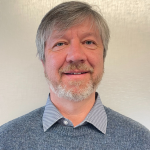
Our People Spotlight series provides an inside look at the technical experts shaping the world around us. This week we are featuring an environmental project manager and planner from our Environment business line in the San Francisco Bay Area who shares their inspiration, expertise and insights on delivering projects that effectively balance mobility with ecological resilience.
Dillon Lennebacker brings a powerful blend of environmental planning expertise, regulatory insight, and project leadership to his role as Environmental Project Manager and Planner specializing in National Environmental Policy Act (NEPA) and California Environmental Quality Act (CEQA) impact analysis and regulatory permitting for projects across the San Francisco Bay Area.
Dillon’s work spans transportation and wetland restoration projects, including serving as environmental lead on the multi-benefit State Route 37 Sears Point to Mare Island Improvement Project that includes Strip Marsh East Enhancement, and supporting the California Department of Transportation (Caltrans) through environmental on-call contracts as Contract Manager and Technical Lead. From the largest tidal wetland restoration on the West Coast, the South Bay Salt Pond Restoration, to the Bay Bridge replacement, Dillon’s focus is on delivering projects that strengthen the connection between communities and the environment they call home, now and for generations to come.
Tell us a bit about yourself — your role and career journey.
My journey began with a love for Bay Area landscapes, an interest in environmental law, contributing to improving our perspective to better incorporate resource protection into infrastructure projects that was sparked by a book, Cadillac Desert by Marc Reisner, and studying environmental planning with a focus on conservation and restoration at Sonoma State University. The exposure this gave me to coastal prairie, shoreline, grassland, and coastal forest habitats sparked my passion for balancing development with environmental stewardship.
My first major project with AECOM — the San Francisco-Oakland Bay Bridge replacement — gave me invaluable experience in regulatory permitting and collaboration with stakeholders and environmental agencies. This work showed me that I excel at addressing challenges that lie at the intersection of infrastructure and ecology. Since then, I have led CEQA and NEPA analyses and managed transportation and utility projects across the Bay, overseeing permitting for restoration projects like the South Bay Salt Pond Restoration and the Bradmoor and Arnold Restoration Projects in Suisun Marsh, and worked closely with agencies to deliver projects that protect the Bay while supporting community needs.
Resilient infrastructure isn’t just about roads and bridges — it’s about creating systems that serve people and protect the places we love. By integrating restoration and transportation, we’re building a Bay Area that works for everyone, now and for generations to come.
Tell us a story of how your work positively impacted the community.
One of my proudest contributions was helping transform the remnants of the old east span of the Bay Bridge into a public asset. Our team partnered with landscape architects to design public access features that invite people onto the remaining piers, creating spaces where visitors can walk out over the water and experience the Bay up close. We added interpretive signage to share the bridge’s history and its role in connecting communities. For many residents, especially in Oakland and East Bay Area, where industrial development limits shoreline access, these spaces offer a rare and meaningful connection to the Bay. This design is dedicated entirely to the public, linking past and present while opening new opportunities to enjoy the incredible resource that is the San Francisco Bay.
Talk to us about a project that has been a major highlight of your career.
One of the most exciting projects is one I’m working on now — the State Route 37 Sears Point to Mare Island Improvement Project (SR 37 SPMIIP). This effort strikes a rare balance between transportation improvements and wetland restoration — two priorities that often compete for space and resources and two specialties that I have focused my career on, so it is a unique opportunity to apply the full breadth of my knowledge to support our client.
The State Route 37 corridor faces significant congestion and flooding challenges, and our solution integrates the congestion relief required by roadway users while enhancing sensitive habitats. It’s an opportunity to apply lessons I’ve learned from extensive experience in transportation projects and tidal marsh restoration projects across the San Francisco Bay Area and Suisun Marsh, bringing together transportation access and ecological restoration in one design.
This project is exciting because it combines two skillsets, transportation planning and habitat restoration. We’re creating something that meets mobility needs while improving the health of the Bay. That’s the kind of work that makes me proud to be in this industry.
How does the unique culture and character of the Bay Area influence your approach?
Living and working in the Bay Area has shaped my approach to every project. This region’s culture values innovation, environmental stewardship and community access, and that perspective drives how I plan and deliver projects. For me, the Bay has always felt like home. After moving to Santa Cruz in high school and later settling with my family in the East Bay, I developed a deep appreciation for its unique character and the responsibility we share to protect its beautiful landscapes while supporting thriving communities.
The Bay Area’s identity is deeply tied to its environment, so every project invites consideration of those valued resources, and challenges project proponents to ask: How can we do this better than before? That means embracing green infrastructure, avoiding and minimizing impacts first, and integrating habitat restoration wherever possible and appropriate. Transportation and utilities are essential for a thriving population, but so is a healthy Bay. My role is to help clients step back and see the big picture, finding solutions that meet project needs while contributing to the region’s ecological resilience.
Resilience means finding solutions where transportation and habitat restoration work together, so we can meet today’s needs without compromising the future.
Share a piece of career advice.
For those starting out, say yes to opportunities, even the ones outside your comfort zone. The path you think you want may not be where you end up, and that’s okay. Every experience builds your skillset and perspective and will lead you to where you truly want to be. Stay curious, stay adaptable and keep looking for ways to make a positive impact.