People Spotlight: Meet Gianpaolo Busacchi
Our People Spotlight series gives you an inside look at our technical experts around the world. This week, we are highlighting an engineering director and practice lead from our Tunneling practice in Canada and providing an insight into their inspiration and work.
Gianpaolo Busacchi has more than 22 years of experience in major underground infrastructure projects across Europe, the Middle East, Southeast Asia and North America, specializing in the design and delivery of utility and mass transit tunnels.
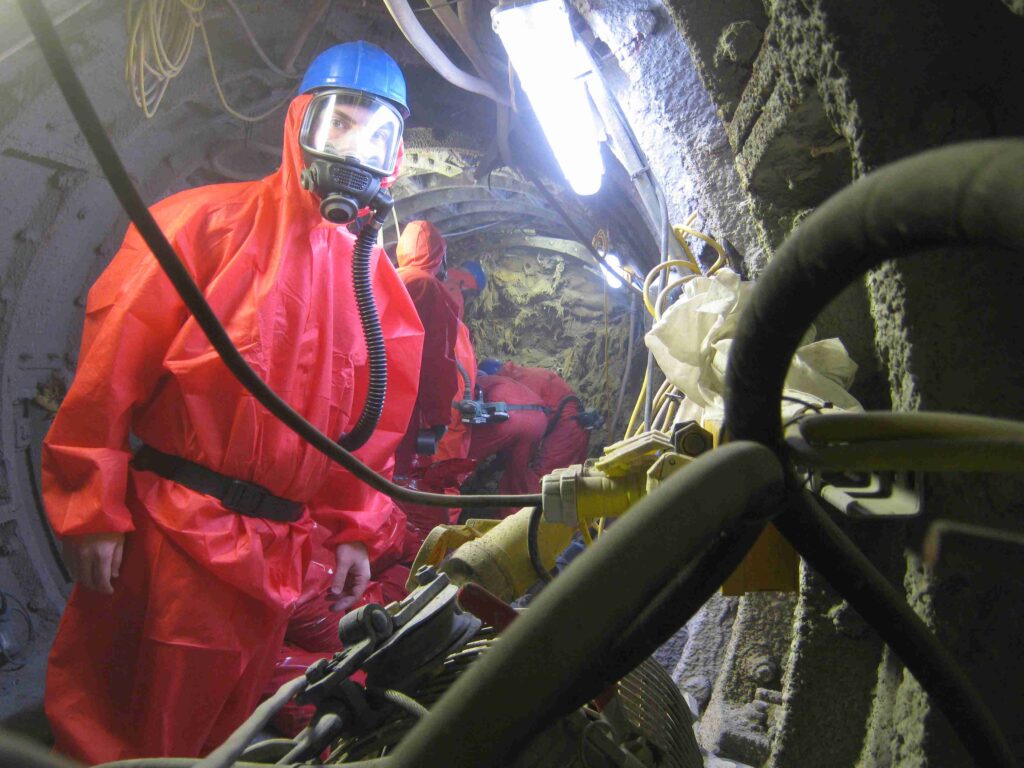
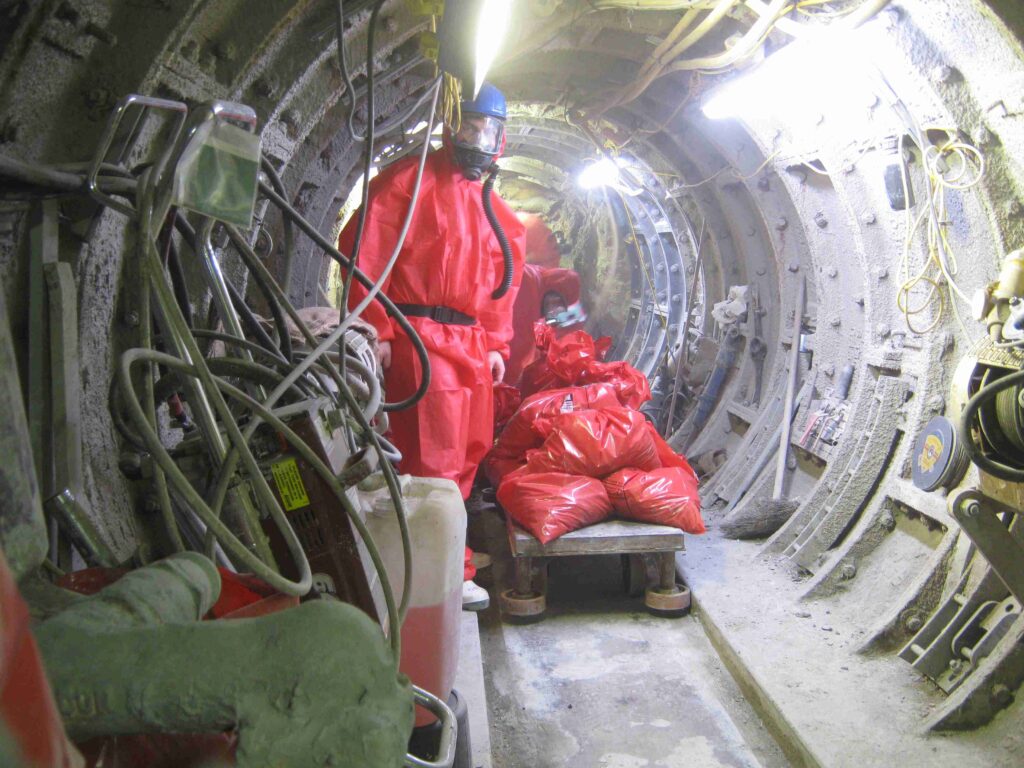
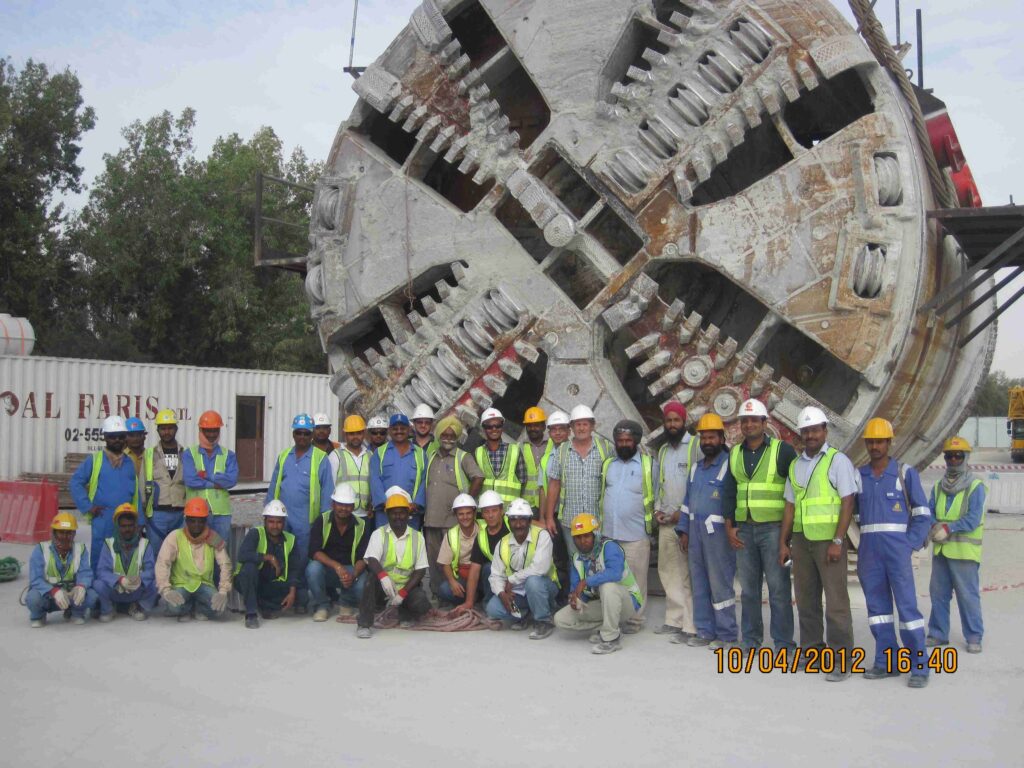
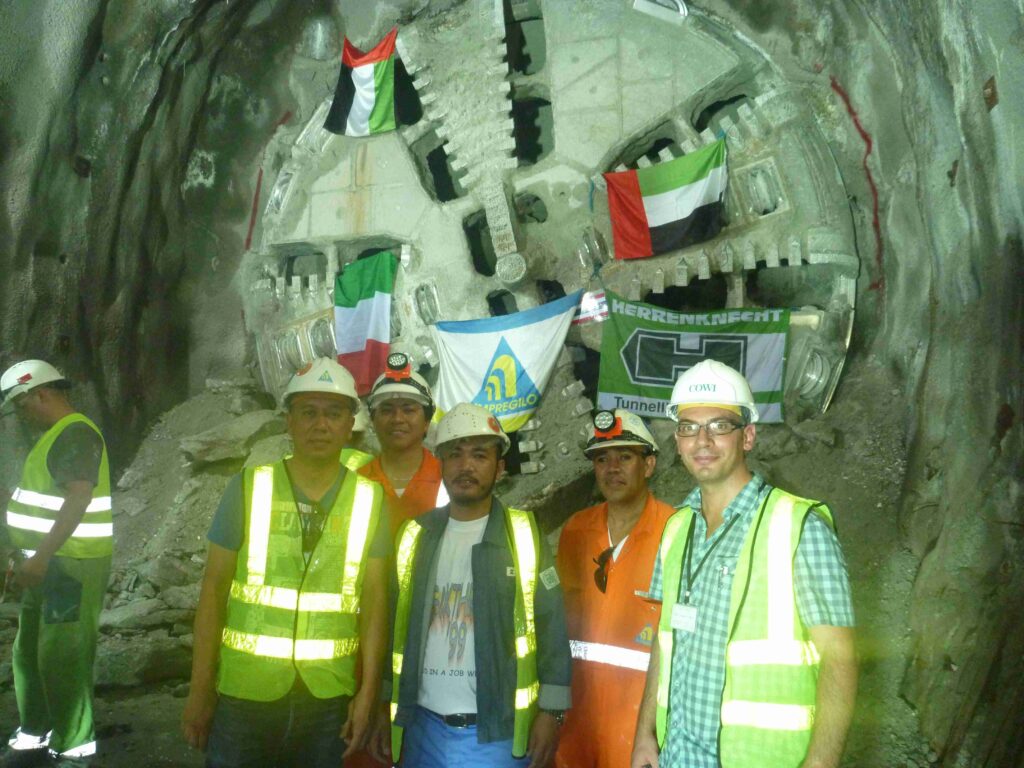
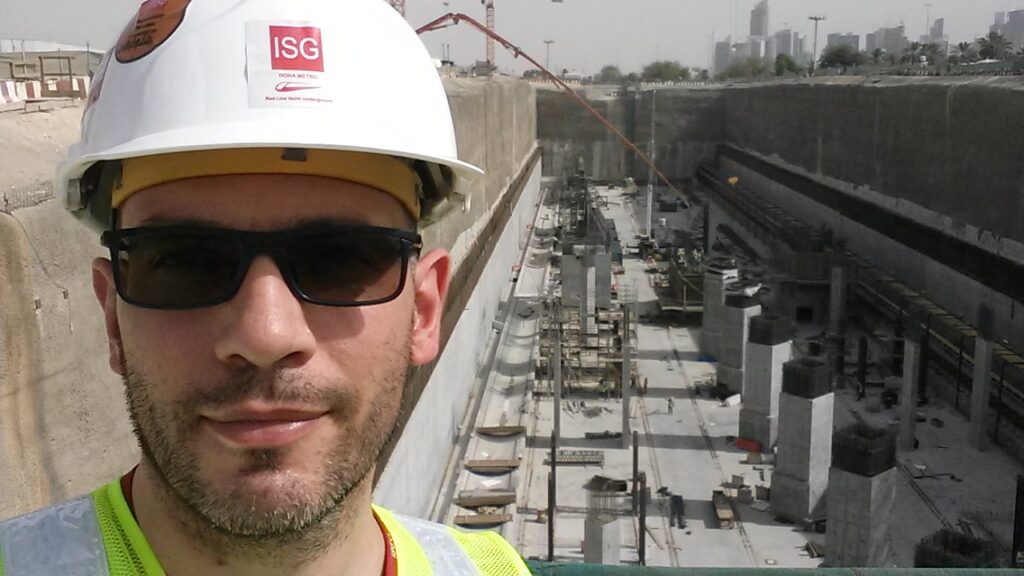
Prior to joining AECOM in 2024, Gianpaolo worked on a range of water, power and transportation projects, including the Southern Civils segment of the Ontario Line in Toronto and the Doha Metro Red Line in Doha, Qatar, developed as part of the city’s preparations for the 2022 FIFA World Cup.
Gianpaolo holds a master’s degree in civil engineering from the Università degli Studi di Cagliari in Italy. He is a professional engineer in Canada, the United Kingdom and Italy, a fellow of the Institution of Civil Engineers and is certified by the Institute for Sustainable Infrastructure as an envision sustainability professional.
Tell us about what inspired you to join the industry.
I was drawn to tunnelling because it combines technical complexity with a real, tangible impact on people’s lives. In this field, geology, structural design, construction methods, risk management and urban systems all come together in a single project. Every job involves juggling multiple factors and needs — ground conditions, existing buildings and infrastructures, local communities, public agencies and operational constraints — so you need both careful analysis and practical problem-solving. That mix of challenge and collaboration is what makes it engaging.
At the same time, underground infrastructure addresses one of the biggest issues in modern cities: limited space at the surface. By moving transit, utilities and critical infrastructure underground, we can free up space, reduce environmental impacts and improve how cities function and feel. Tunnels help build resilient metro systems, utility networks, stormwater management and transportation links without further crowding already dense urban areas.
As Peck perfectly described, “Tunnelling is an art.” For me, it’s about creating essential infrastructure where none existed — or working around what’s already there — in some of the most constrained and complex environments imaginable. That combination of challenge, responsibility and lasting impact is what inspired me to pursue a career in engineering and consultancy.
For me, it’s about creating essential infrastructure where none existed — or working around what’s already there — in some of the most constrained and complex environments imaginable.
What is your favorite AECOM project that you’ve worked on and why?
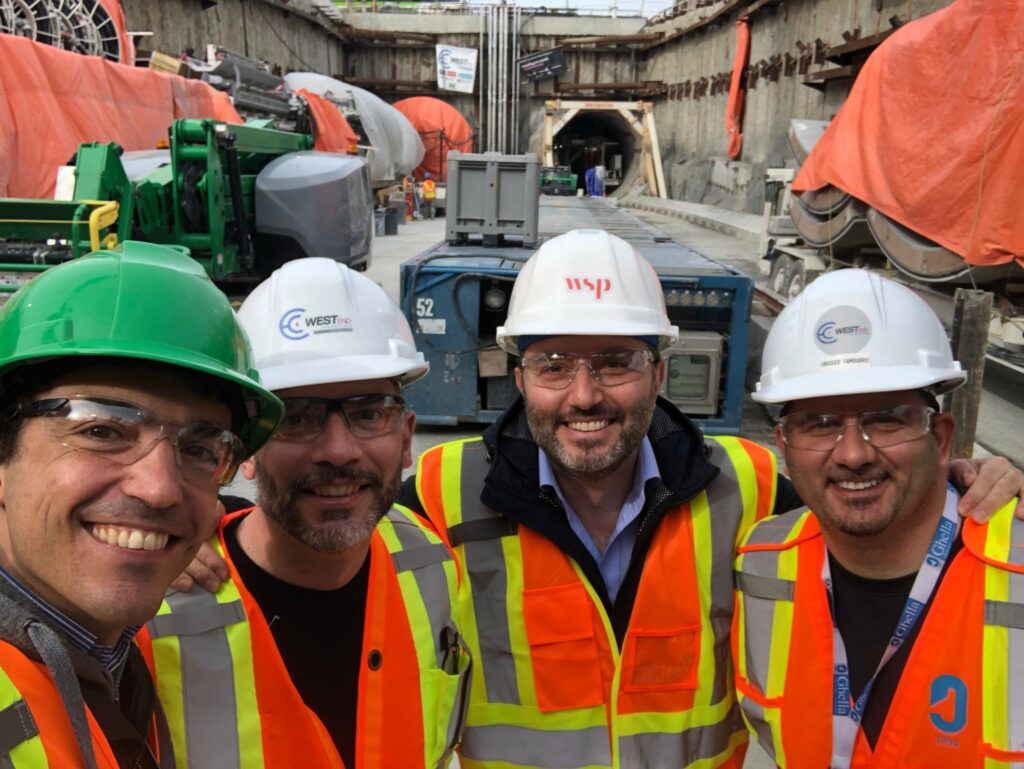
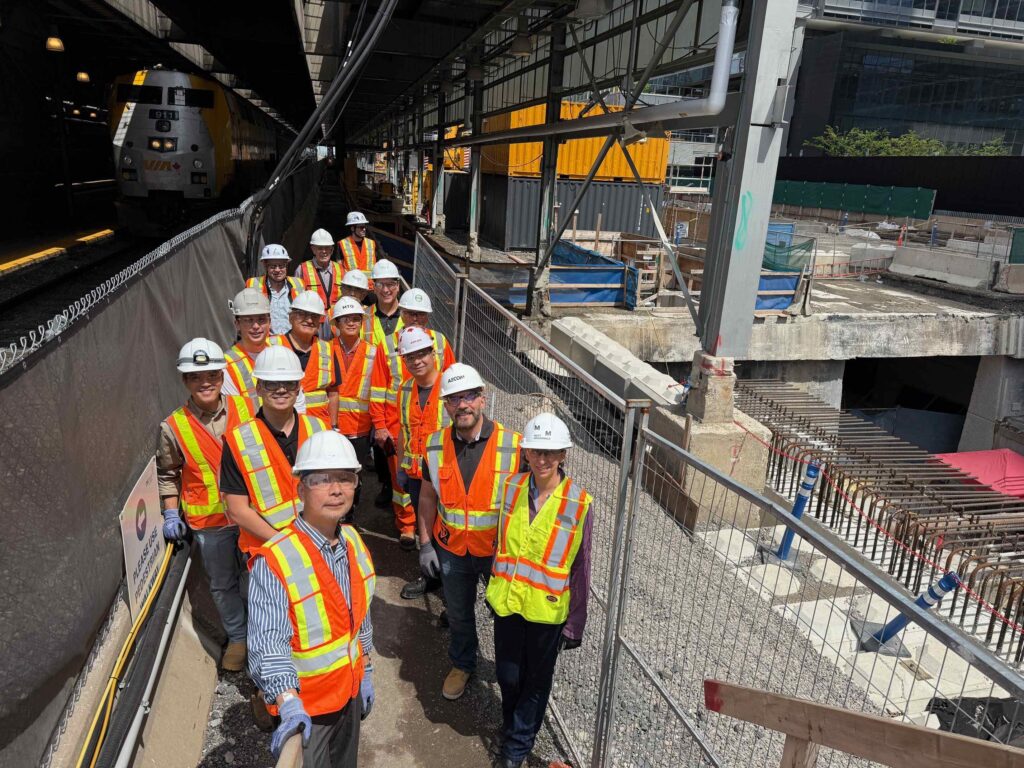
Despite my relatively short time at AECOM, one of the most rewarding projects I’ve worked on is the Pape Tunnel and Underground Stations (PTUS) project in Toronto. This is a city-shaping transit initiative forming a critical portion of the new Ontario Line subway. Our team is part of the design joint venture delivering the northern underground section which includes the running tunnels, two underground stations, a crossover and two portals. The scope is technically complex and strategically significant as it will expand rapid transit capacity in the East End of Toronto, reduce travel times across the city and improve connectivity between key corridors like the Line 2 Bloor–Danforth at Pape Station.
In my role as tunnels design manager, I have been guiding key design decisions for the tunnel works, while coordinating closely with our multidisciplinary teams to manage critical interfaces. What stands out to me is how we’re able to operate on a project of this scale: deep technical expertise across various disciplines, strong integration within the design joint venture and a clear focus on safety, constructability and risk reduction.
What stands out to me is how we’re able to operate on a project of this scale: deep technical expertise across disciplines, strong integration within the design joint venture and a clear focus on safety, constructability and risk reduction.
Tell us a story of how your work positively impacted the community.
From the beginning of the PTUS segment of the Ontario Line, we’ve kept the community front of mind by planning construction in ways that limit disruption, protect nearby homes and buildings and reduce the impact on daily life as much as possible.
Together with colleagues at AECOM, I’m helping deliver a new transit line that will make it easier for people to get around the city. For many communities along the route, it will mean shorter travel times and better connections to jobs, schools and essential services.
The three-kilometer stretch of tunnel we’re working on is more than just an engineering project. It’s about creating reliable transit that helps people move around the city more easily and stay connected to the opportunities Toronto has to offer. Being part of a team delivering something that will benefit communities for generations is incredibly rewarding. Tunnels are anything but boring!
The three-kilometer stretch of tunnel we’re working on is more than just an engineering project. It’s about creating reliable transit that helps people move around the city more easily and stay connected to the opportunities Toronto has to offer.
Share a piece of career advice.
As practice lead, I spend a lot of time thinking about our team’s growth and how we help the next generation of engineers develop their careers. For those starting out, the advice I tend to share is simple: stay curious and be open to opportunities that push you a little beyond your comfort zone. Take the assignments that stretch you, ask questions that others avoid, volunteer for new tasks — the site visit, the difficult problem. You won’t feel fully ready, and that’s the point. Those experiences help build both technical depth and a broader perspective on how projects are delivered.
Over time, you start to see how design connects with construction, how risks are managed, and how decisions are made under pressure. That exposure is what gradually shapes you as an engineer.
And you don’t have to figure everything out on your own. Engineering is a team effort, and reaching out to colleagues for advice or support is part of how we all learn, improve and give back.