People Spotlight: Meet Leah Daniel

Our People Spotlight series gives you an inside look at our technical experts around the world. This week, we are highlighting a wastewater process engineer and project manager from our water business in Canada and providing an insight into their inspiration and work.
Leah Daniel, based in our Winnipeg, Manitoba office, has 12 years of experience focusing on collaborative delivery of large wastewater treatment projects. She holds a master’s degree in civil engineering from the University of Manitoba, which included completing her thesis in partnership with AECOM on chemical phosphorus removal on an active wastewater treatment plant during the height of the coronavirus pandemic.
Tell us about what inspired you to join the industry.
Growing up on a lake that served as a drinking water source made me deeply aware of how essential clean, safe water is to everyday life — and how easily it can be impacted by human activity. That awareness led me to study water and wastewater treatment in university, with the goal of improving quality of life by expanding access to safe drinking water, particularly in underserved communities.
My shift into wastewater treatment was less intentional and more driven by practicality. When senior design projects were assigned, I was the only student in my class who could stomach handling cadaver waste, making me the lucky one chosen to design and operate a benchscale bioreactor to treat waste generated by the university’s cadaver lab. I quickly found myself loving the process — watching the biomass “bugs” grow, finetuning micronutrients to keep them healthy and seeing tangible treatment results. Once I joined AECOM, I was drawn to the field’s complex challenges and constant innovation, solidifying my passion for the wastewater industry.
Growing up on a lake that served as a drinking water source made me deeply aware of how essential clean, safe water is to everyday life — and how easily it can be impacted by human activity.
What is your favorite AECOM project that you’ve worked on and why?
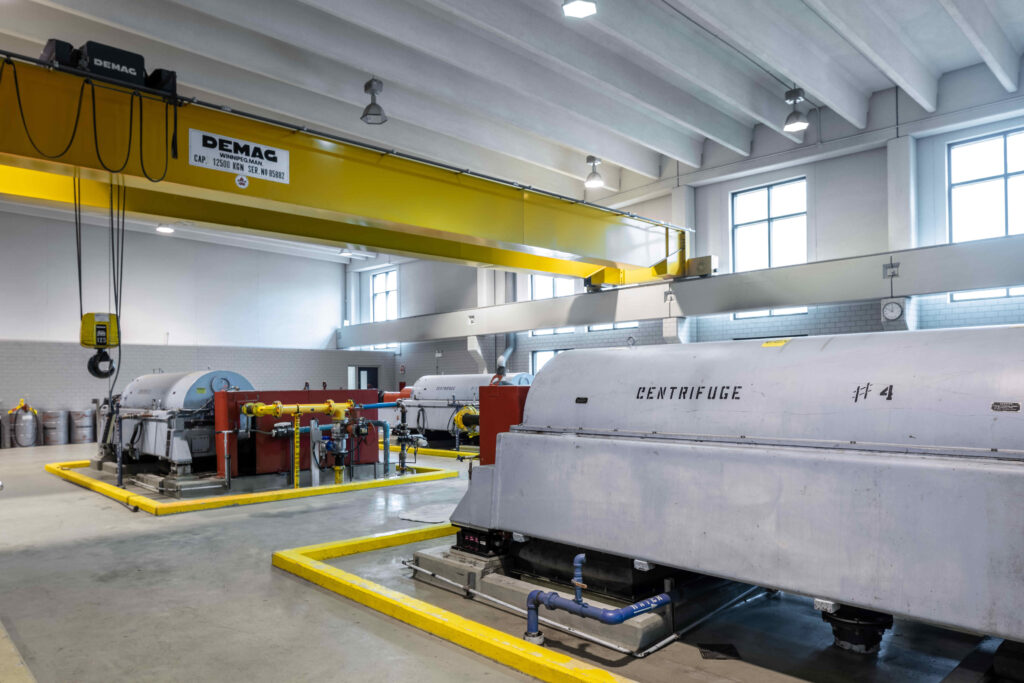
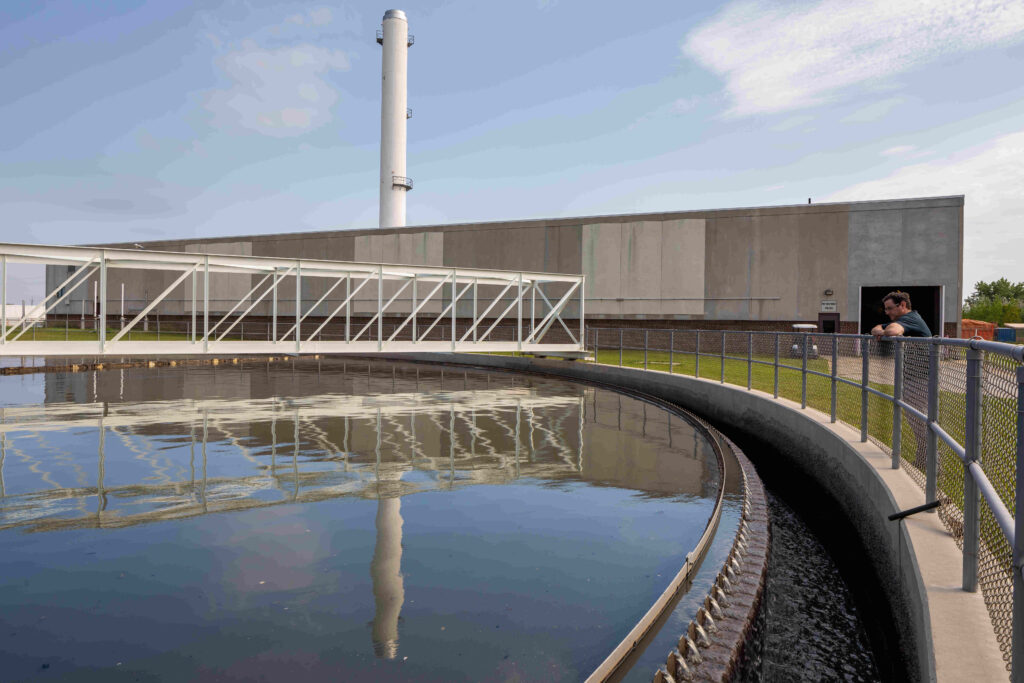
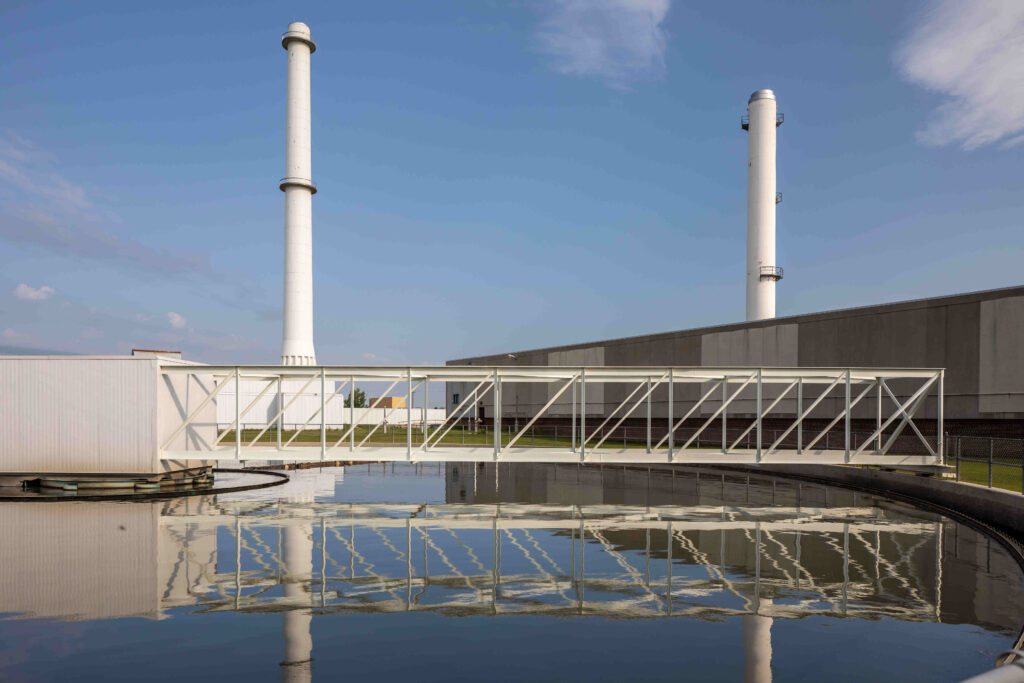
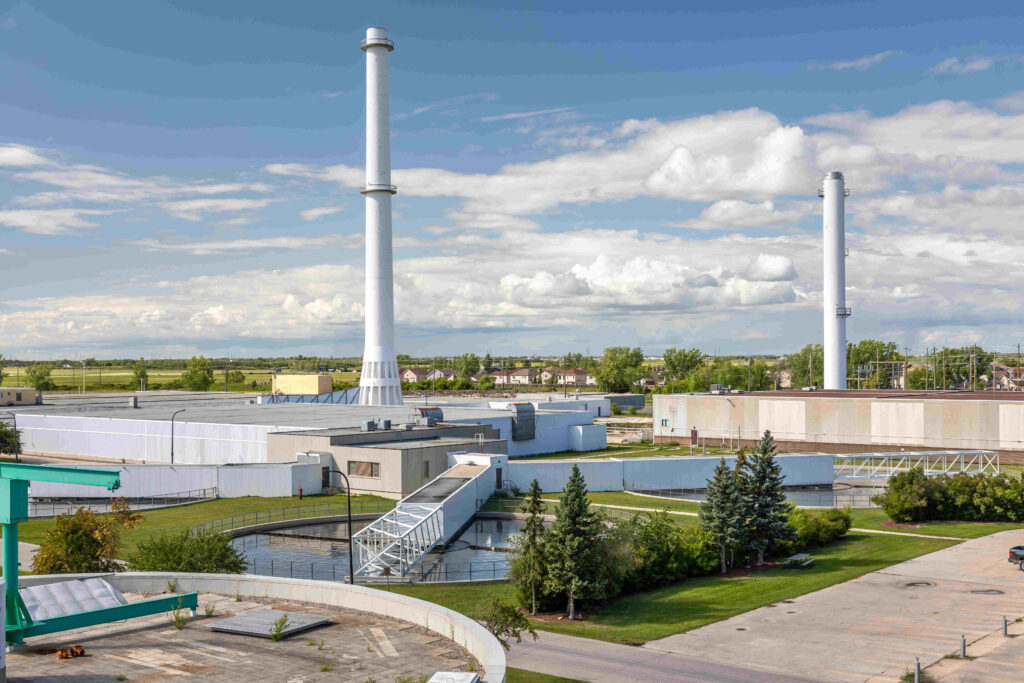
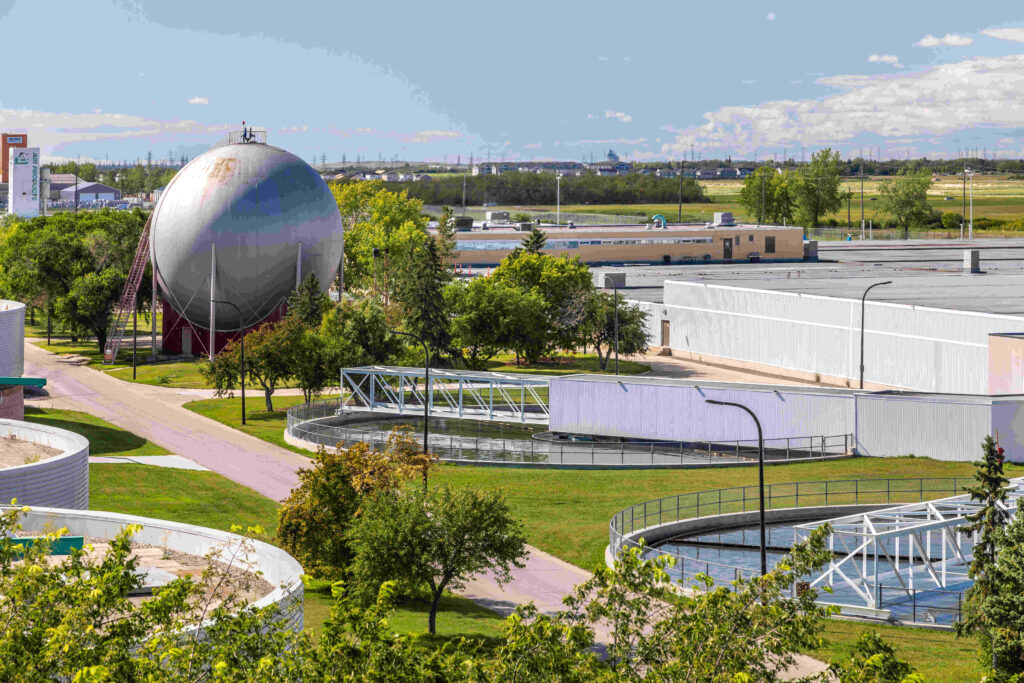
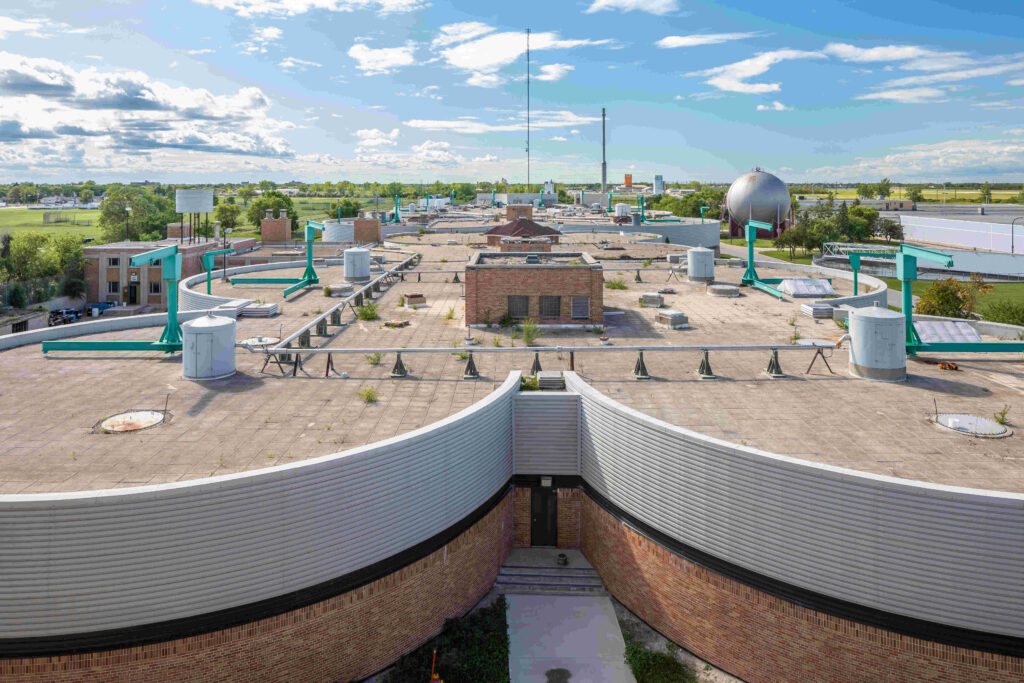
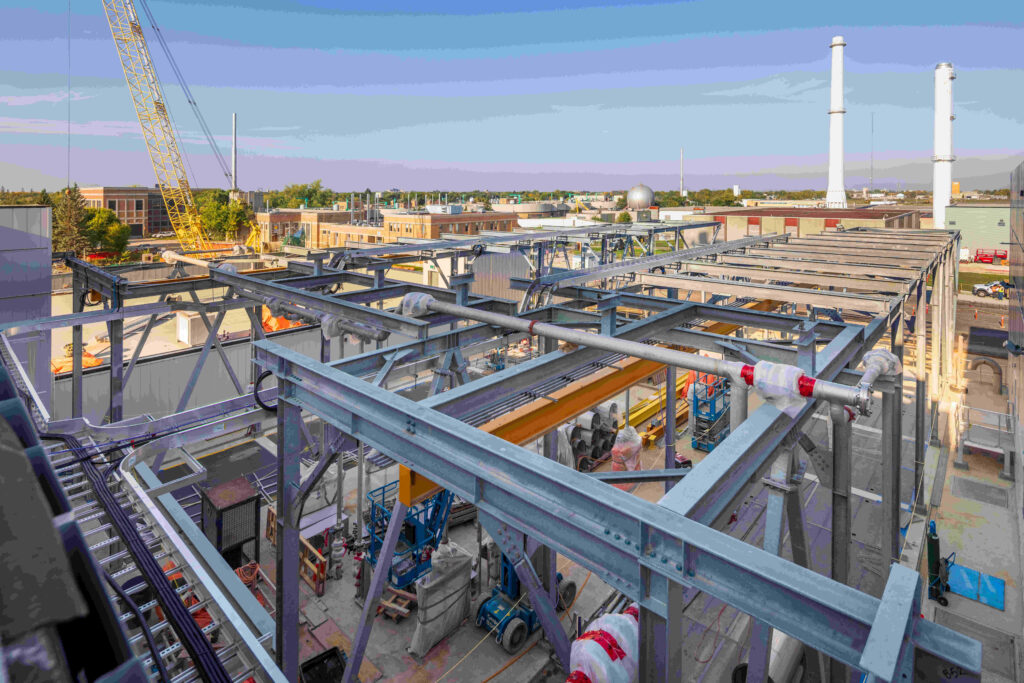
A career-defining project for me has been working on Winnipeg’s North End Water Pollution Control Centre (NEWPCC) upgrade project. A real highlight for me has been being part of this project since day one and having the chance to watch it evolve over the past 10 years. When the project kicked off in 2016, I was early in my career and incredibly fortunate to work with many AECOM colleagues with technical expertise across North America and build my network across the company.
Now, a decade later, both my role and the project itself have evolved significantly. Looking back at what we envisioned for the project 10 years ago really highlights how much it has changed, from originally being planned as a single large design-build project to now being delivered as three major ones, using a delivery method tailored to best serve each of them. It’s been incredibly rewarding to grow alongside this project, and to contribute to something that will serve the city, which I call home, well into the future.
A real highlight for me has been being part of Winnipeg’s North End Water Pollution Control Centre (NEWPCC) upgrade project since day one and having the chance to watch it evolve over the past 10 years.
Tell us a story of how your work positively impacted the community.
I have had the opportunity to serve as project manager on water and wastewater treatment projects for a remote community in northern Manitoba, an experience that brought me back to why I became a water and wastewater engineer in the first place. The community is accessible only by small plane, or for a few months each year by an ice road, creating unique logistical and operational challenges. Through upgrades to the community’s water treatment plant, including new ultrafiltration membranes and expansion to the treated water reservoirs, a long-term drinking water advisory was successfully lifted. Improvements to the wastewater treatment plant are ensuring all wastewater is treated to provincial and federal standards before being returned to the water body that serves as the community’s drinking water intake and is critical to its fish supply.
Through upgrades to the community’s water treatment plant, including new ultrafiltration membranes and expansion to the treated water reservoirs, a long-term drinking water advisory was successfully lifted.
Share a piece of career advice.
Get out of the office whenever you can, especially early in your career. Spending time in the field lets you see how engineering designs are built, operated and maintained, which deepens your understanding far beyond drawings and calculations. Hearing firsthand about operational challenges helps identify small design changes that can make a meaningful impact over the lifecycle of a project. Those real-world lessons make you a better designer and help you connect your work to the people who use and rely on it.