


People Spotlight: Meet Monica Wilson
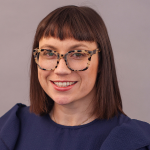
Our People Spotlight series gives you an inside look at our technical experts around the world. This week, we feature a senior architectural historian from our California cultural resources team in the U.S.
For Monica Wilson, history isn’t just something to read about, it’s something to uncover, preserve, and share with communities. Monica has spent the past decade ensuring the stories embedded in our built environment remain part of the places we live, work and travel. Her passion for history shines through in every project, helping keep California’s rich heritage alive and accessible today, and for generations to come.
Tell us a bit about yourself — your role and career journey.
I’ve been with AECOM since 2015, and it’s been an incredible journey. Before joining the team, I worked on historic preservation projects that first sparked my passion for protecting cultural resources. I grew up in Southern California and later headed north for graduate school at California State University in Sacramento, where I focused on historic preservation, and the history of the American West and California. That background gave me a strong foundation and ultimately led me to a career in historic preservation.
Most days start with research and planning, but that’s just a piece of the work. I spend a lot of time out in the field, boots on the ground, documenting resources and figuring out how projects might impact them. Tribal outreach is another important part of my work, making sure we honor and respect cultural heritage throughout the process. We support agencies meet their Federal regulatory responsibilities under the National Historic Preservation Act of 1966 and often work closely with agencies like the Federal Transit Administration, California Department of Transportation (Caltrans), the National Park Service, and local agencies. It’s work that combines technical expertise with storytelling and that balance is what keeps me passionate about what I do.
What I love most about my role is that no two days are the same. One day, I might be researching a historic corridor; the next, I’m in the field documenting resources that could qualify for the National Register.
Transportation projects have been a major part of my career, and I’m thankful to be working in California where the highway system is one of the most intricate and expansive in the nation. I’ve had the opportunity to work on projects where even the roadway itself is historic, traversing districts that tell stories of engineering feats and cultural evolution.
Caltrans projects are some of my favorites because they require creative solutions to protect architectural and archaeological resources while meeting modern infrastructure needs.
Every project is a chance to protect history while supporting progress, and that’s what makes this work so meaningful to me.
How do you incorporate community involvement into your work?
Community is at the heart of historic preservation. It’s not just about old buildings, there are so many resource types we analyze, including landscapes, bridges, roads, dams, canals, farms and utilities, that hold meaning for the people who live there. These resources are often the lifeblood of neighborhoods, symbols people connect with and care deeply about.
One of my favorite parts of the job is uncovering stories that even longtime locals didn’t know existed. Sharing those discoveries is so rewarding, especially when clients incorporate them into interpretive panels or websites that offer such a public benefit and celebrate local history.
Southern California is where this work feels especially personal for me. I was born and raised in Riverside County, and the region’s diversity of resources and communities makes every project unique. From Los Angeles to the Inland Empire to San Diego, I’ve seen firsthand how our work impacts communities in meaningful ways.
Preserving the look and feel of a corridor or integrating historic buildings into modern designs helps maintain a sense of place.
It’s about creating harmony between the past and the present so communities can continue to enjoy these spaces for generations.
Talk to us about a project that has been a major highlight of your career.
Two projects stand out for me. The first is our ongoing work at National Aeronautics and Space Administration (NASA) Ames Research Center, where we’ve surveyed numerous historic-age properties across the campus. Each with its own story about America’s space program and scientific innovation. This long-term effort, which began in 2014, is providing Section 106 compliance services for facility improvements to further cutting-edge research, all while preserving their historic integrity. It’s a fascinating intersection of science, design, history and innovation.
Another highlight was the cultural resources effort following the Palisades and Eaton wildfires in Los Angeles. Our team worked quickly to document the historic properties within the impacted communities, like the Andrew McNally House in Altadena and the Department of Water and Power Distributing Station No. 29 in Palisades, both of which were designed by master architect Frederick Roehrig. Our team provided monitoring during the private property debris removal process to protect archaeological sites. The work was challenging, but documenting the area’s history ensures that even after loss, communities can continue to honor and celebrate their heritage.
Share a piece of career advice.
One of the most rewarding parts of this work is helping position people for success and supporting young professionals as they grow. My best advice is to get to know your team and their strengths. Cultural resource management is complex, no one person can do it all. If you don’t know how to do something, know who to ask. Collaboration is key, and watching a well-coordinated team tackle challenges efficiently is both inspiring and a reminder that great outcomes come from leveraging collective expertise.