


Transforming tunneling: Meet Gerardo Pittaro
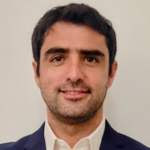
Gerardo Pittaro is our Director of Tunnels and Underground Construction in the Latin America region, bringing more than 15 years of experience delivering complex underground infrastructure projects from tender stage through construction.
Originally from Argentina, Gerardo began his career in Italy before relocating to Singapore in 2014, where he completed his Ph.D. and spent nearly a decade working on major underground transport projects. Today, he combines his technical expertise and leadership experience in client relationships and project delivery to help our teams support complex underground infrastructure across Latin America.
What drew you into the tunneling industry and what motivates your work today?
I began my career as a civil engineer and developed an interest in underground infrastructure. As I progressed in my studies and early professional work, I became increasingly involved in projects focused on deep excavations and tunneling.
What motivates me is the role underground engineering solutions play in solving many of the infrastructure challenges that growing cities face. Underground construction offers sustainable solutions that help cities function more efficiently and minimize surface disruption.
Tunnels support a wide range of infrastructure applications, from rail and highway systems to electrical cables, telecommunications networks and other critical infrastructure across industries. As my career has progressed, collaborating with leaders across diverse market sectors and learning from key actors in different regions has been inspiring and a strong source of motivation.
What are some of the biggest challenges facing the tunneling industry today?
Tunnels provide strong infrastructure solutions, but they also involve complex risks during design and construction. One of the most important challenges today is learning how to efficiently integrate new technology to mitigate those risks. For example, advanced modeling tools and AI help engineers better predict soil and ground behavior during excavation. Using these tools while maintaining a pragmatic and realistic engineering approach remains a significant challenge.
Another challenge is that the economic context of projects can vary greatly from region to region. In places with long-term infrastructure plans and dedicated funding, tunneling solutions are often the best choice. But in developing countries, tunnels can be harder to implement because they typically require higher upfront investment compared to more affordable infrastructure alternatives. Clearly demonstrating the long-term value of underground solutions is a key priority with project partners. I work closely with clients to navigate these considerations and help them understand how tunneling solutions can yield the most effective and sustainable outcomes.
How does your international experience shape the way you approach projects in Latin America?
Working across regions has shaped how I approach projects by bringing a broader perspective on how underground infrastructure can be planned, delivered and integrated into cities. In Singapore, for example, tunnel development is often planned decades in advance and used for multiple applications such as transportation systems, utilities, water networks and underground storage. My experience allows me to approach projects in Latin America with a more long-term and integrated mindset, helping clients see how underground solutions can support future growth, not just immediate needs.
My international experience enables me to take a collaborative approach with colleagues around the world, which is critical when our teams face complex regional challenges. Having a network of international professionals allows us to leverage proven solutions from similar conditions and demonstrate their value to our clients. Many cities in Latin America could benefit significantly from established underground solutions, and access to global insights from successful projects helps build confidence in these approaches among local stakeholders.
What opportunities excite you the most about the future of underground infrastructure?
I’m encouraged by the growing global popularity of tunneling solutions in recent decades. As a result, clients and stakeholders are increasingly familiar with these solutions and more confident in their implementation.
I’m also excited by advances in modeling tools, data analysis and AI, all of which can help engineers better understand underground conditions and improve design efficiency and sustainability. These technologies reduce risks during construction and facilitate informed decisions throughout the project lifecycle.
This combination of technological progress and global knowledge transfer creates an opportunity to apply best practices from projects around the world to major infrastructure challenges in Latin America. We are seeing this with the Panama Metro Line 3, which includes the first tunnel constructed beneath the Panama Canal. Projects like this demonstrate how international collaboration can help deliver complex underground infrastructure that supports long-term regional development.