This is My NYC: Building up the city that built me
George Guillaume is the NYC Metro+ Executive, where he works to foster our deeply rooted relationships with clients and stakeholders to ensure we work as partners in progress for New York City. He is also heavily involved with volunteering and mentoring in the community, serving on the boards for the Greater Jamaica Development Corporation and the ACE Mentor Program of Greater NY. With 20 years in the infrastructure and aviation industry, George’s track record of guiding teams, building trust, and shaping environments where people and communities thrive demonstrates his leadership and impact across the NY/NJ region.
I’ve spent my entire life in New York City, so I don’t just see the skyline, I understand what it represents. Steel, glass, brick and concrete aren’t abstract to me. They’re decisions and tradeoffs, moments where vision met reality. They reflect ambition, constraint and the willingness to move forward anyway.
As a leader in a global infrastructure firm — and as someone who lives and works in this city — I’ve come to appreciate something fundamental: New York City is never finished. It’s constantly evolving. Every project is part of an ongoing balance between what we want to achieve and what is possible. And those decisions have real impact on people’s lives.
People often point to icons like the Empire State Building or One World Trade Center as symbols of greatness. But for me, the beauty of New York isn’t the individual buildings, it’s how everything works together. It’s the infrastructure we see, from the airports that connect us to the world and the transit systems that move millions each day to the treatment plants that provide safe drinking water. It’s also what most people never see but rely on, like power and technology, those interconnected systems behind the scenes that keep the city running.
Leading infrastructure in this city means accepting this reality: we’re always building the future within the constraints of the past. Beyond technical expertise, we must understand how transportation, housing, public space, energy and resilience connect in everyday life.
Resilience is a perfect example. After Superstorm Sandy, the way we think about infrastructure changed. Flood risk became a design driver, where critical systems were relocated to account for sea level rise. Waterfronts became our frontlines, with resilience no longer added at the end but becoming a project’s starting point.
In a city like New York, infrastructure must perform under pressure, every day, over time. But it’s important to remember, infrastructure is more than systems, scale or efficiency — it’s about people and communities — and improving social outcomes.
As designers, engineers and builders, we are not neutral actors. We not only play an integral role in the outcomes of this city — we are accountable for these outcomes.
Walk through any neighborhood and you’ll see the tension between growth and displacement. Every project creates opportunity, but it can also have consequences. Done right, it creates access, dignity and connection. Done poorly, it can take those things away.
That’s why I believe infrastructure is public service. It is empathy built into the physical world. It means thinking about the nurse commuting from Staten Island, the small business owner opening a shop in Queens, the family in Brooklyn watching their block transform. New Yorkers are our end‑users — and I’m one of them.
That perspective shapes how I view AECOM. We’re more than a service provider — we’re a trusted partner.
As the newly appointed Metro+ Executive for New York City, my focus is simple: bring the full strength of our global platform to deliver real outcomes for this city. Not just providing expertise for the sake of it but delivering meaningful impact.
This matters because we don’t just work here, we live here. So we recognize that New York isn’t a blank slate. We build forward, and on top of, what already exists. That demands practical innovation and solutions that work in the real world.
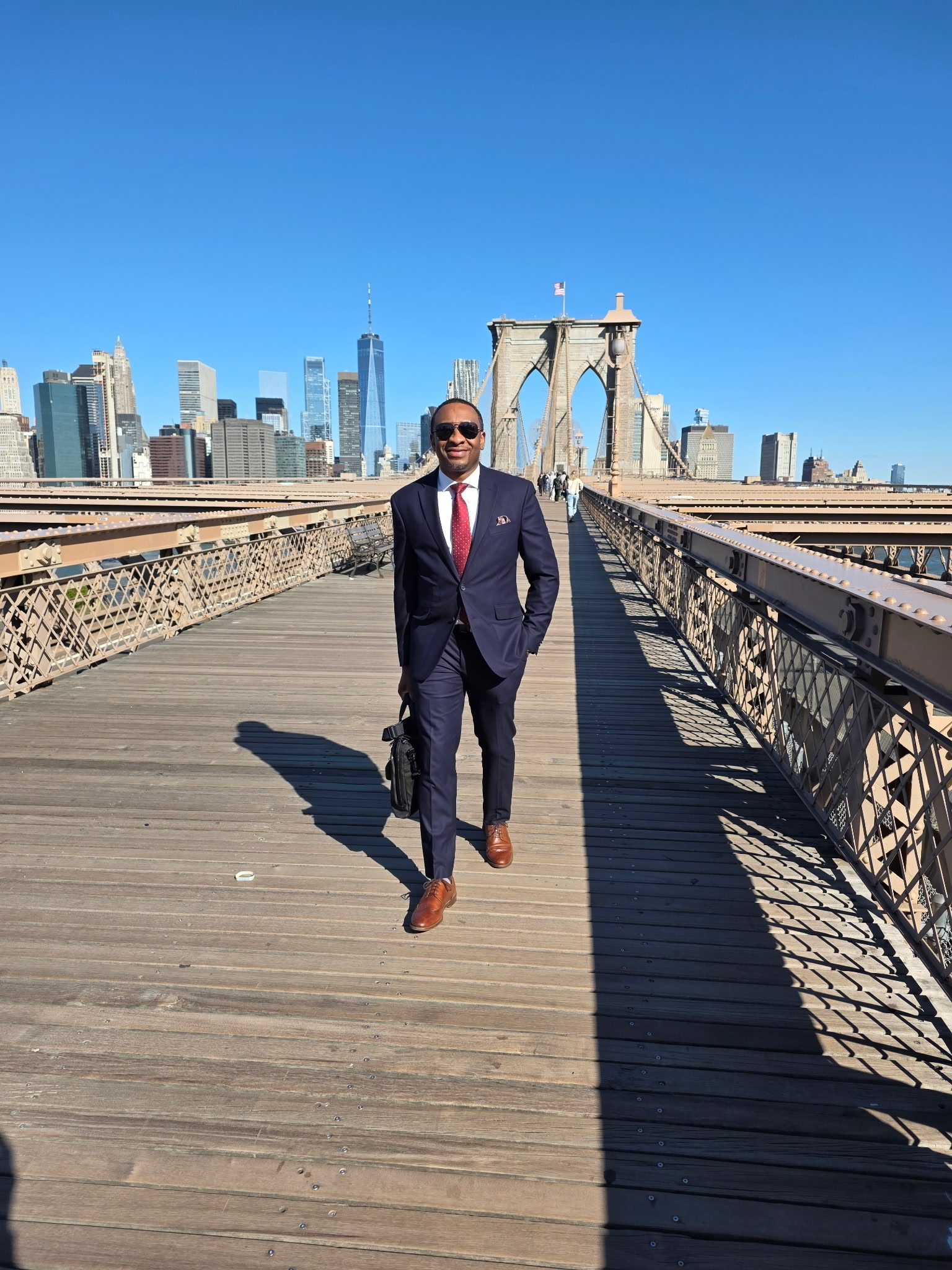
I’m reminded of this every time I walk across the Brooklyn Bridge — over a century old and still carrying the city. Endurance is the objective, not what shines on day one, but what lasts.
Today, that means facing climate reality, mobility strain and housing scarcity. These aren’t abstract problems for New York City, they’re daily conditions, and opportunities to lead. The firms that will shape New York’s future won’t be defined by signature designs. They’ll be defined by how they deliver — balancing performance, equity and long-term value.
That’s what “My NYC” means to me. Here, infrastructure must do more than move people or protect assets. It’s about accountability for improving lives — and building a stronger city for the next generation.
Because in New York City, when you shape infrastructure, you shape people’s everyday experience.